
Intro
Kaolin
Kaolin is a naturally occurring, high-purity clay mineral composed primarily of kaolinite. Formed through the chemical weathering of feldspars, it is characterized by its fine particle size, white color, chemical inertness, and exceptional purity — making it one of the most versatile and widely used industrial raw materials in the world.
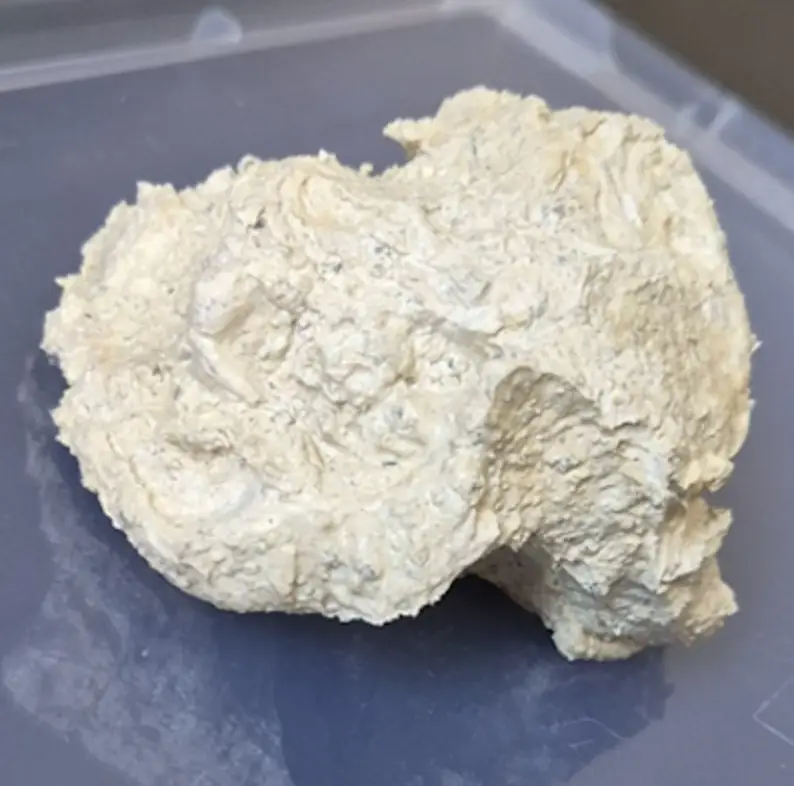
Technical Identification
NEMEXUS supplies high-purity kaolin sourced directly from verified producers, ensuring consistent quality, compliance with international standards, and reliable delivery across multiple transport modes.
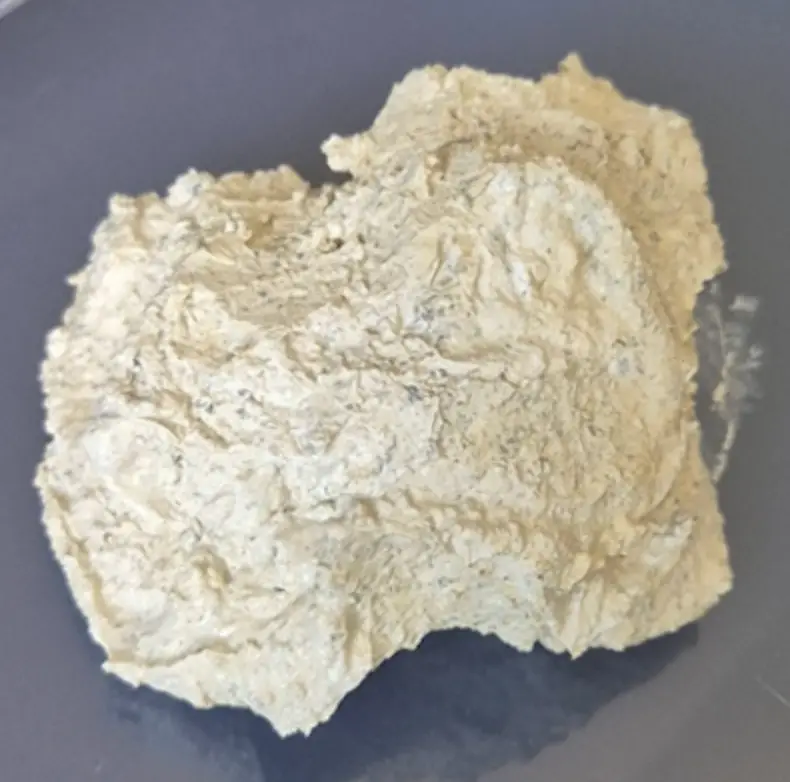
Chemical composition and properties of Kaolin
Origin: Ukraine
| SiO₂ | 67 – 68 % |
|---|---|
| Al₂O₃ | 22 – 23 % |
| Fe₂O₃ | 0.35 – 0.45 % |
| TiO₂ | 0.5 – 0.6 % |
| K₂O | 0.1 – 0.2 % |
| K₂O | 0.1 – 0.2 % |
| Na₂O | 0.05 – 0.1 % |
| CaO | 0.2 – 0.3 % |
| Loss on ignition | 8 – 9 % |
Delivery Method: Rail, Road
Uses
Key Applications
Kaolin is one of the most versatile industrial minerals in the world. Its unique combination of whiteness, chemical inertness, fine particle size, and thermal stability makes it an essential raw material across a wide range of industries.