
Intro
Air-Cooled Blast Furnace Slag (ACS)
Air-Cooled Blast Furnace Slag (ACS) is produced when molten blast furnace slag is allowed to cool slowly under ambient air conditions. Unlike GBFS, this slower cooling process results in a crystalline, dense, and hard material with excellent mechanical properties.
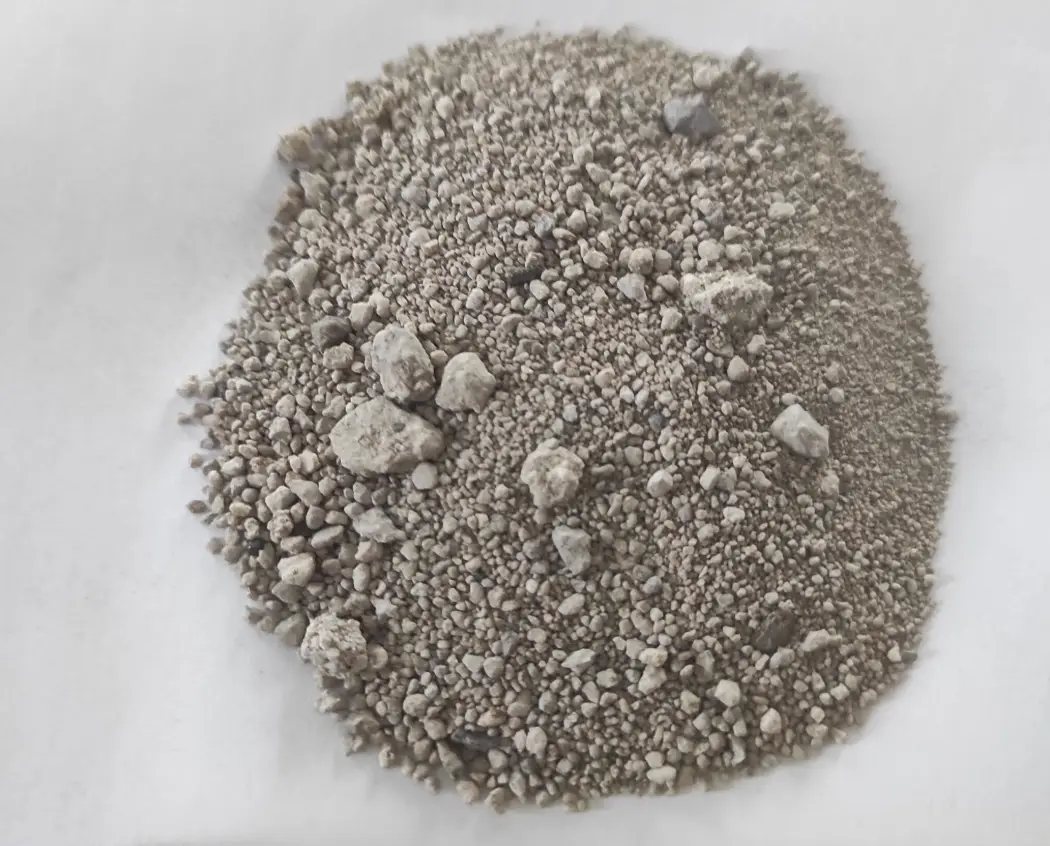
Technical Identification
ACS is primarily used as a high-performance aggregate in construction and civil engineering applications. Its angular shape, high density, and resistance to wear make it a reliable and sustainable alternative to natural aggregates in road construction, drainage systems, and structural fill.
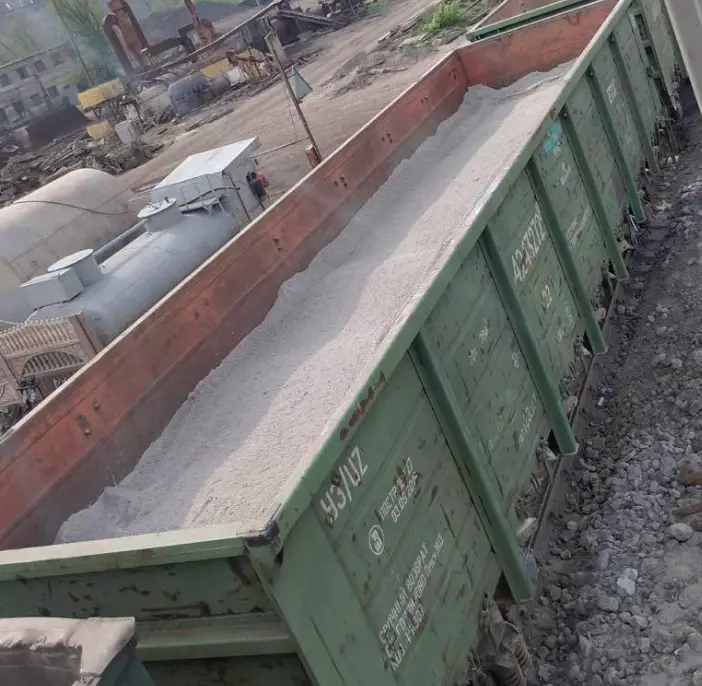
Chemical composition and properties of ACS
Origin: Ukraine
| CaO: | > 39% |
|---|---|
| SiO₂: | < 42% |
| Al₂O₃: | < 12% |
| MgO: | < 8% |
| Fe₂O₃: | < 7% |
| Moisture: | < 8% |
| Granulometry: | 0 – 20 mm |
Delivery Methods: Rail, River, Maritime
Uses
Key Applications
Air-cooled blast furnace slag (ACS) is an extremely suitable material for use as a construction aggregate in bound or unbound form. It is actively used in road construction and concrete production.