
Intro
Granulated Blast Furnace Slag (GBFS)
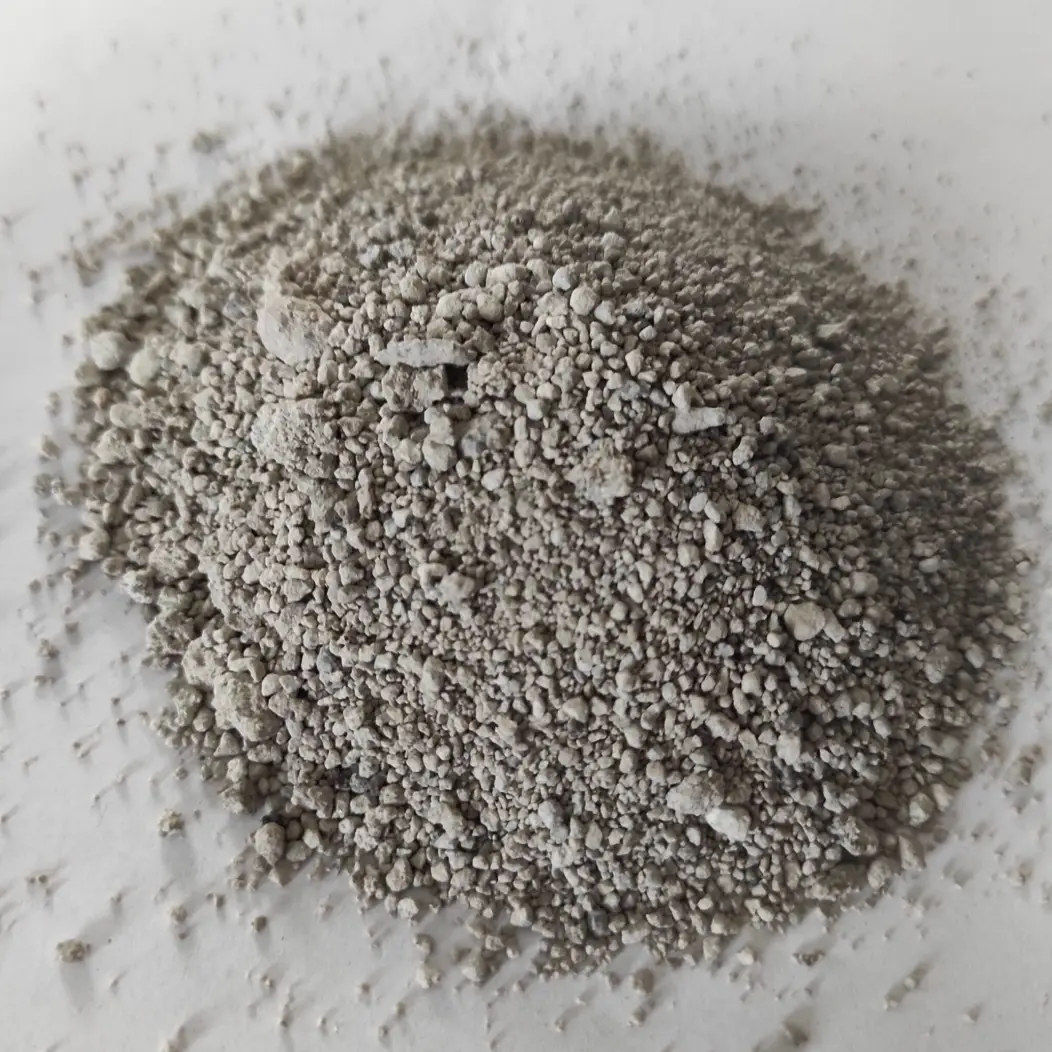
Granulated Blast Furnace Slag (GBFS) is a by-product of iron manufacturing, formed when molten slag from a blast furnace is rapidly quenched with water, producing granular, glassy particles with strong cementitious properties.
Technical Identification
Widely used as a supplementary cementitious material (SCM) in the production of cement and concrete, GBFS significantly improves durability, reduces permeability, and enhances resistance to sulfate attack and chloride ingress. It also contributes to a reduced carbon footprint compared to traditional Portland cement production.
Chemical composition and properties of GBFS
Origin: Ukraine
| CaO: | 40 – 51% |
|---|---|
| SiO₂: | 35 – 45% |
| Al₂O₃: | 4 – 10.5% |
| MgO: | 2.5 – 5.5% |
| TiO₂: | max. 3% |
| MnO: | 0.05 – 1.00% |
| Granulometry: | max. 5 mm |
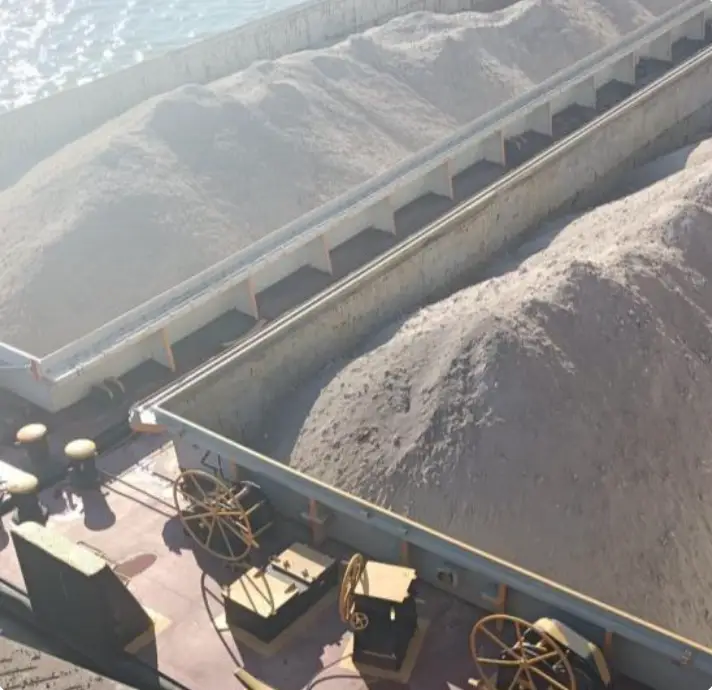
Delivery Methods: Rail, River, Maritime
USES
Key Applications
Granulated blast furnace slag (GBFS) has cementitious properties and is therefore used as a hydraulic binder for cement, concrete, mortar. For this purpose, it is ground (alone or together with Portland cement clinker and calcium sulfate) and is called ground granulated blast furnace slag (GGBS). GBFS can also be used as an aggregate, for example in road construction.